
Weight Loss ICD-10 Codes Explained: A Complete Guide for Accurate Medical Billing
By Billmate
March 4, 2026, 5:47 a.m.
Introduction
Accurate diagnosis coding is the foundation of compliant and successful medical billing. When documenting weight-related concerns, providers must carefully distinguish among routine counseling, intentional weight management, and clinically significant weight loss. Misclassification can lead to claim denials, underpayment, or even compliance risks. In 2026, proper use of weight-loss ICD-10 codes is more important than ever, given increased payer scrutiny and a growing emphasis on medical necessity documentation. Whether the patient presents with unexplained weight loss, chronic disease-related weight decline, or obesity management goals, selecting the correct ICD-10 code for weight loss ensures appropriate reimbursement and clinical clarity.
This comprehensive guide explains the most commonly used codes, including abnormal weight loss ICD-10, unintentional weight loss ICD-10, weight management ICD-10, and the frequently used Z71.3 diagnosis code for dietary counseling. If you are a physician, clinic manager, or billing professional, this article will help you confidently navigate weight-related coding scenarios.
Understanding Weight Loss in ICD-10 Coding
Weight loss as a diagnosis can represent a wide spectrum of clinical situations. It may be:
- A symptom of an underlying disease
- A documented abnormal clinical finding
- A planned result of obesity treatment
- A secondary manifestation of chronic illness
- A concern requiring nutritional counseling
Because of these variations, the correct ICD-10 weight loss code depends entirely on the clinical context and documentation.
ICD-10-CM classifies weight loss under symptom codes, nutritional counseling codes, and disease-specific categories. Proper code selection requires carefully reviewing provider notes and ensuring that documentation supports medical necessity.
Primary Code: ICD-10 Code for Weight Loss (R63.4)

The most commonly used ICD-10 code for weight loss is:
R63.4 – Abnormal weight loss
This code falls under the category of symptoms and abnormal clinical findings. It is appropriate when a provider documents significant weight loss without identifying a specific underlying condition at the time of the encounter.
When to Use R63.4
R63.4 should be used when:
- Weight loss is documented as clinically significant.
- The cause is not yet determined.
- Diagnostic workup is ongoing.
For example, if a patient presents with unexplained weight decline over several months and laboratory evaluation is pending, abnormal weight loss ICD-10 (R63.4) is appropriate.
Abnormal Weight Loss ICD-10 vs Unintentional Weight Loss ICD-10
The terms “abnormal” and “unintentional” are often used interchangeably in clinical documentation. In ICD-10 coding, both generally fall under R63.4. There is no separate code specifically labeled “unintentional weight loss ICD-10.” Instead, R63.4 is used when documentation states that weight loss was not intentional and may indicate underlying pathology. Clear documentation is critical. Providers should specify whether weight loss is:
- Intentional (due to diet or exercise)
- Unintentional
- Associated with symptoms such as fatigue or appetite loss
This distinction determines whether R63.4 is appropriate.
ICD-10 for Weight Loss Related to Chronic Conditions
If weight loss is linked to a known medical condition, the underlying disease code should typically be sequenced first.
For example:
- Cancer-related cachexia may require malignancy coding.
- Diabetes-related weight changes require diabetes codes.
- Thyroid disorders affecting weight require endocrine codes.
In these cases, R63.4 may be used as a secondary code if clinically relevant, but the primary condition drives reimbursement.
Weight Management ICD-10 Coding
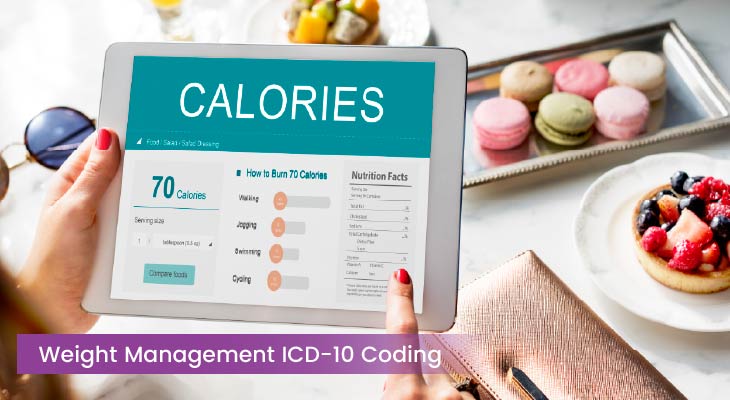
Weight management visits are common in primary care and specialty practices. When patients seek assistance for obesity, dietary counseling, or structured weight-loss programs, coding differs from that for abnormal weight-loss scenarios.
ICD-10 Code for Weight Management
The most frequently used code for weight counseling is:
Z71.3 – Dietary counseling and surveillance
This Z71.3 diagnosis code is appropriate when:
- The primary purpose of the visit is nutritional counseling.
- No abnormal weight loss is documented.
- The focus is preventive or management-based care.
For example, if a patient attends a visit specifically for weight management coaching, lifestyle modification planning, or nutritional monitoring, Z71.3 is appropriate.
Z71.3 Diagnosis Code and Medical Necessity

While Z71.3 supports preventive services, coverage depends on payer policy. Some insurers cover dietary counseling for:
- Obesity
- Diabetes
- Cardiovascular disease risk
Documentation should include:
- BMI
- Clinical risk factors
- Treatment plan
- Counseling duration
Without sufficient documentation, payers may deny claims even if Z71.3 is correctly selected.
ICD-10 Weight Loss vs Obesity Coding
Intentional weight loss associated with obesity management is coded differently from abnormal weight loss. In these cases, obesity codes such as:
- E66.01 (Morbid obesity due to excess calories)
- E66.9 (Obesity, unspecified)
- may be primary, with Z71.3 supporting counseling services.
If weight loss is intentional and part of treatment, R63.4 is typically not appropriate.
Medical Necessity and Documentation Requirements
Accurate coding begins with detailed documentation. Providers should clearly state:
- Whether weight loss is intentional or unintentional
- Duration and amount of weight change
- Associated symptoms
- Underlying medical conditions
- Diagnostic plan
For weight management visits, documentation should describe counseling provided, dietary recommendations, and follow-up plans. Payers often scrutinize weight-related codes due to overlap between preventive care and symptom-based billing.
Common Billing Errors with Weight Loss ICD-10 Codes
Several frequent mistakes lead to denials:
- Using R63.4 when weight loss is intentional.
- Failing to link weight loss to underlying chronic conditions.
- Omitting BMI documentation.
- Billing Z71.3 without counseling notes.
Internal coding audits can help identify patterns of misuse and improve compliance.
Sequencing Rules for ICD-10 Weight Loss Codes
Correct sequencing is essential. If weight loss is the primary reason for the visit and no diagnosis has been established, R63.4 may be listed first. If weight loss is secondary to another confirmed condition, the underlying diagnosis should be primary. Sequencing errors may affect risk adjustment and reimbursement accuracy.
Impact on Reimbursement

The proper ICD-10 code for weight loss selection influences:
- Medical necessity approval
- Diagnostic testing coverage
- Specialist referrals
- Risk adjustment scoring
Accurate coding ensures providers are reimbursed appropriately while reducing audit risk.
Preventing Denials Through Accurate Coding
To reduce denials related to weight loss, ICD-10 codes:
- Verify documentation clarity before claim submission.
- Ensure BMI is recorded when relevant.
- Link symptoms to medical necessity.
- Train staff on distinguishing between abnormal and intentional weight loss.
- Structured review processes improve clean claim rates.
Role of Professional Medical Billing Services
Given the nuances of weight-related ICD-10 coding, many practices rely on experienced billing professionals to ensure compliance and reimbursement optimization.
Professional billing services help with:
- Diagnosis code accuracy
- Claim scrubbing
- Denial management
- Documentation audits
Organizations like BillMate provide structured support to prevent coding errors and improve revenue performance.
Frequently Asked Questions (FAQs)
1. What is the ICD-10 code for weight loss?
The most common code is R63.4 – Abnormal weight loss, used when clinically significant weight loss is documented without a confirmed underlying cause.
2. Is there a separate unintentional weight loss ICD-10 code?
No. Unintentional weight loss is typically coded under R63.4.
3. What is the ICD-10 code for weight management counseling?
Z71.3 – Dietary counseling and surveillance are used for weight management and nutritional counseling visits.
4. When should R63.4 not be used?
R63.4 should not be used when weight loss is intentional or clearly related to a known diagnosed condition that should be coded first.
5. Does Z71.3 guarantee reimbursement?
No. Coverage depends on payer policies and documentation of medical necessity.
Conclusion
Understanding ICD-10 codes for weight loss is essential for accurate medical billing and compliance. From the ICD-10 (R63.4) abnormal weight loss diagnosis code to the Z71.3 diagnosis code for dietary counseling, each code serves a specific purpose and must align with clinical documentation. By distinguishing between intentional weight management and unintentional weight loss, correctly sequencing diagnoses, and maintaining thorough documentation, providers can reduce denials and ensure proper reimbursement.
Accurate coding not only supports revenue integrity but also reflects high standards of clinical documentation and patient care.
What To Read Next

By Billmate | March 11, 2026
How to Read a Health Insurance Card in 2026: Complete Guide for Patients & Providers
Learn how to read a health insurance card in 2026, including policy number, member ID, group number…

By Billmate | March 10, 2026
10 Benefits of Hiring a Medical Billing Company in the USA
Discover the top benefits of hiring a medical billing company in the USA to improve revenue cycle m…

By Billmate | March 06, 2026
99213 CPT Code Explained: Complete Guide to Documentation, Billing, and Reimbursement
Complete guide to 99213 CPT code, documentation requirements, billing rules, reimbursement, and pro…
By Billmate | March 04, 2026
Weight Loss ICD-10 Codes Explained: A Complete Guide for Accurate Medical Billing
Complete 2026 guide to weight loss ICD-10 codes, including abnormal weight loss, unintentional weig…

By Billmate | March 02, 2026
A Complete Guide to POS 11 and Other Key POS Codes in Medical Billing
Comprehensive 2026 guide to POS 11 in medical billing and other key POS codes, including POS 22, 23…
Join our team to be a part
of our story
Learn more about our career, education and
posting jobs, and
submit simple application.